The Architecture of Excellence
Why Structured Standards Create 5-Star Performance
You have worked a shift where everything clicked. The kitchen was on time. The floor moved together. Every guest left impressed. Then you have worked the other kind, where nothing held together and the team spent the whole night reacting instead of leading. The difference between those two nights is rarely about talent. It is about structure. The restaurants recognized by Michelin, Forbes, and AAA all share one thing: a system of clearly defined standards that tells every person on the team exactly what good looks like. That system is what this course is built on.
Using Standards to Your Advantage
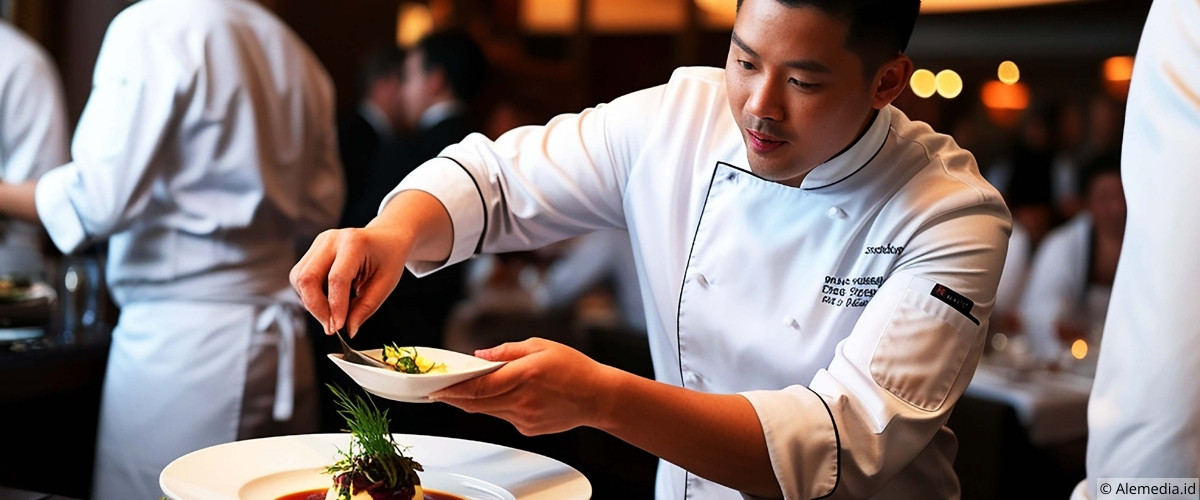
When orders are stacking up and the dining room is full, you do not have time to figure out the right move. You need to already know it. That is what standards do. They give you a clear protocol for greeting, pacing, refilling, clearing, and recovering from problems so you are not making it up on the fly. The best restaurants in the world run on this principle. Their teams are not guessing. They are executing.
Forbes evaluations grade on repeatable precision. The guest who sits down at 5:30 should get the same level of attention and professionalism as the guest who sits down at 9:45. That does not happen because everyone on the team is having a great night. It happens because the team has a system and they follow it. Standards take the pressure off individual performance and put it on preparation. That is an advantage.
What the Ratings Systems Are Looking For
Forbes and Michelin inspectors are not grading personality. They are watching behavior. How quickly the guest is acknowledged at the door. Whether the server can speak confidently about the menu without reading from it. How the team communicates during transitions. Whether anyone at the table has to ask for something twice. These are specific, observable actions, and they are the difference between a good restaurant and a rated one.
The shift from good to elite is not about being friendlier. It is about being more precise. A warm greeting matters, but so does the timing of that greeting. Product knowledge matters, but so does delivering it without hesitation. These are trained skills, not personality traits. They are reinforced through pre-shift meetings, coaching, and repetition. Every standard in this system exists because it maps to something an evaluator is watching for.
Why the Best Teams Run on Systems
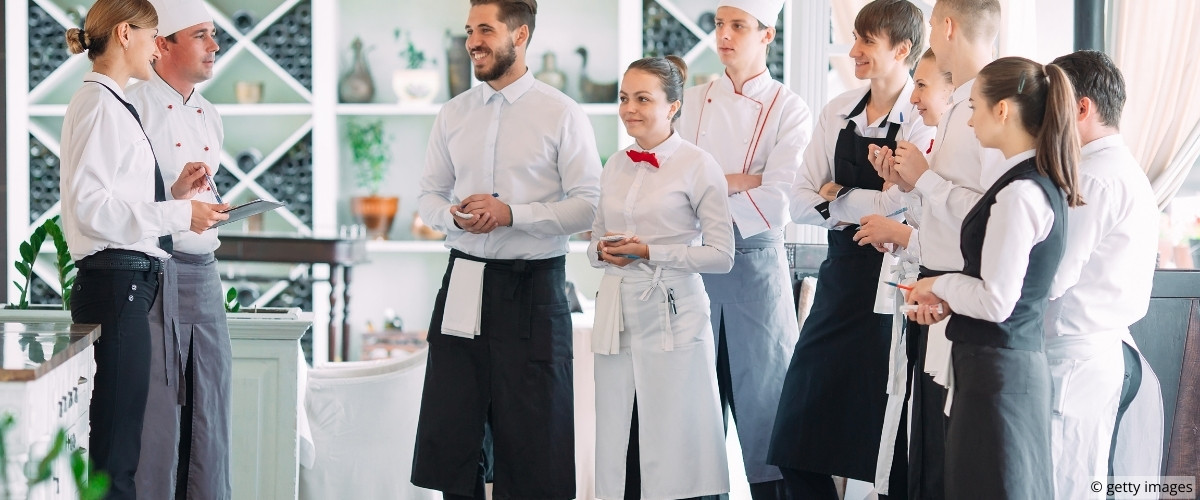
Some people hear the word 'standards' and think it means less freedom. The opposite is true. When you know exactly how to approach a table, how to describe a dish, and how to handle a mistake, you stop worrying about the basics. That frees you up to focus on the details that actually elevate the experience. Confidence on the floor comes from preparation, not improvisation.
Think about any team that performs at a high level, in any field. Every person knows their role. Every movement supports the larger objective. That is what a standards-driven dining room looks like. It is not robotic. It is coordinated. The guest feels it as calm professionalism, and the team feels it as clarity. When the system is strong, the work gets easier and the results get better.
Key Takeaways
Every restaurant recognized for world-class service has one thing in common: a commitment to defined standards executed with discipline. Michelin, Forbes, and AAA evaluations consistently reward precision, anticipation, and consistency, and none of those qualities happen by accident. They are built through preparation, coaching, and repetition. This platform is built on the same foundation. The 79 standards in this system are drawn from the criteria that define rated service. The courses, checklists, and coaching tools that follow are designed to turn those standards into daily habits your team can execute on every shift.