Legacy and Recovery
The Last Five Minutes Are Often the Most Important
A guest can have a strong meal, good wine, and solid service for ninety minutes. But if the check takes too long, the farewell feels careless, or a complaint is handled poorly, that is what they remember. The end of the experience carries outsized weight. And when something goes wrong during the meal, how the team responds determines whether that guest comes back or tells ten people not to. Michelin and Forbes evaluations both treat departure and recovery as defining moments, not afterthoughts. This class covers how to close the experience with the same discipline that opened it, and what to do when things do not go according to plan.
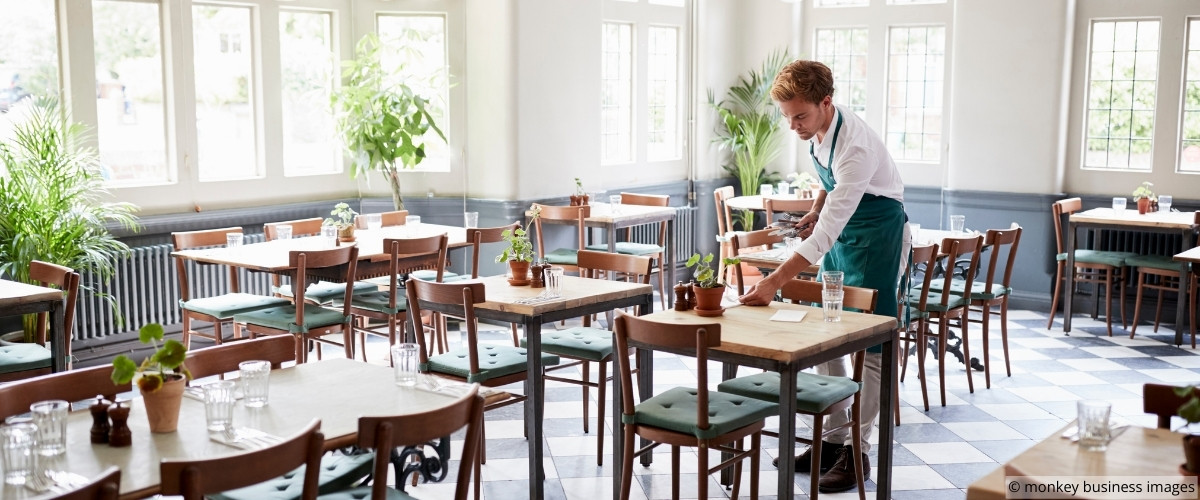
Close It Like You Opened It
The end of a meal has its own pacing, and most teams get it wrong. Either the check shows up too early and the guest feels pushed out, or it takes too long and the guest is sitting there ready to leave with nothing in front of them. Both are failures. In rated operations, the server reads the table and offers the check at the right moment, not on autopilot. When the guest asks for it, the Forbes benchmark is two minutes. That is not a lot of room.
Departure is more than the check. It is a farewell that the guest actually feels. A genuine thank you from the server. A word from the host or manager on the way out. Coats and belongings retrieved without the guest having to ask. Eye contact and composed language that says we valued your time here. These are small moments, but they are the last thing the guest experiences. A strong departure does not just end the evening. It sets up the next visit.
When Something Goes Wrong, Own It Fast
Every restaurant makes mistakes. A dish comes out wrong. A reservation gets lost. A server misreads the table. The difference between a good restaurant and a rated one is not the absence of errors. It is the speed and quality of the response. Service recovery starts with one thing: ownership. The guest needs to feel heard immediately. Not interrupted. Not corrected. Not told why it happened. Just heard.
After that, the response needs to be clear and decisive. Acknowledge the issue sincerely. Offer a specific corrective action, not a vague apology. Involve a manager when the situation warrants it. Forbes and Michelin evaluations consistently highlight how a team handles adversity as a direct indicator of operational maturity. Defensiveness, deflection, or minimizing the issue will cost you more than the original mistake. A well-handled recovery does something a perfect evening cannot. It proves to the guest that when things go sideways, this team knows exactly what to do.
Reputation Is Built on What Happens After
The guest experience does not end when they leave the building. What the team does after the meal is what separates a single visit from a lasting relationship. Guest preferences get documented. Previous issues get flagged for the next reservation. A significant complaint gets a follow-up. These are not extras. They are the habits that build the kind of reputation where guests return because they trust the operation, not because they liked one particular dish.
Rated restaurants treat every departure as data. Feedback is reviewed. Patterns are identified. Processes are refined. This is where a structured system becomes essential. When a restaurant has a defined framework for standards, recovery protocols, and continuous improvement, reputation management stops being reactive and starts being predictable. That is what this platform is designed to do. The 79 standards define what excellence looks like. The AI coaching agent helps your team internalize it. The checklists make it repeatable. The courses build the understanding behind it. Together, they give any organization the system that rated restaurants are built on.
Key Takeaways
Every class in this course has built toward the same idea: excellence in hospitality is not random and it is not reserved for a few elite properties. It is the result of defined standards, trained habits, and a system that holds the operation together when it matters most. From preparation to arrival, from live service to departure and recovery, every touchpoint in the guest experience can be structured, coached, and improved. That is what this platform exists to do. The standards give your team clarity. The AI coach gives them answers in real time. The checklists give them consistency. And the courses give them the understanding behind all of it. Whether your goal is a Forbes rating, a Michelin star, or simply the confidence that your team is operating at the highest level every night, the system is here. The only question is whether you are ready to use it.